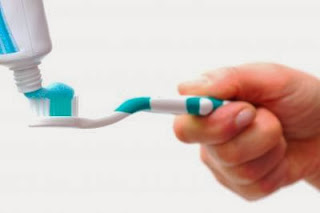
Tuesday, 22 October 2013

Eliminate Cavities with the Help of the Dentist in Silver Spring

This article focuses on the how to avoid dental cavities, explaining how cavities are formed as well as the various aspects of the cleaning routine that will help you maintain good oral health.


You often hear of all the brilliant and innovative procedures available for the rehabilitation of your oral health. Dental implants, veneers, Snap-On-Teeth and root canals are all fantastic solutions for missing or damaged teeth, but it is also true that prevention is the best cure. Keep reading to hear from an experienced dentist in Silver Spring about the main causes of tooth decay and how best to prevent it.

Tooth Decay... How It All Begins


Tooth decay is caused by a combination of two things: food and bacteria. “Our mouths are teeming with hundreds of different kinds of bacteria, which multiply and proliferate every time we eat or drink something sugary,” explains the dentist in Silver Spring. “The bacteria feed on the sugars found in the food you eat, producing acidic wastes as a by-product. This has a harmful effect on the health of your teeth, breaking down the enamel and leaving it softer and more vulnerable to erosion and cavity formation.”

Over time, the continual acid attack on tooth enamel ultimately leads to the formation of cavities, compromising the dental health of Silver Spring residents. It is for this reason that having a good oral hygiene routine - to eliminate acid-producing bacteria - is so important.

Dentist in Silver Spring

How to Prevent Cavities


“It is true that some people are more prone to dental caries than others, due to genetic heritage and their predisposition to infection and inflammation,” says the dentist in Silver Spring. “But it is also true that most people can avoid dental cavities through a strict and thorough cleaning routine. Brushing and flossing your teeth regularly is very important in maintaining good oral health. This not only helps to eliminate bacteria and food debris from your teeth, tongue and gums, but is also neutralizes acids.”

So if I Brush, I Won’t Get Cavities?


Unfortunately, brushing and flossing alone are not always enough to totally keep the cavities at bay. When you’re eating, the act of chewing can cause food to be forced inside the pits and fissures in the biting surfaces of your teeth and these are spaces that toothbrushes, floss or even saliva are unable to reach and keep clean.

For this, a dentist in Silver Spring offers an interesting tip, saying that chewing on fiber, such as a celery stick, allows saliva to get to the areas where food has been trapped, and dilutes the sugars that cause the cavity forming acids. Also, if you have particularly deep cusps in your molars, you might want to consider having them sealed to prevent decay.

Not Everything is Do-It-Yourself


Dental Health of Silver SpringNo matter how good your cleaning routine is, or how many sticks of celery you eat, good oral care also requires the help of professionals. It is generally recommended that you have your teeth professionally cleaned by an oral hygienist at least once every six months, although this varies from patient to patient.

Depending on the state of the dental health of Silver Spring residents, the dentist might recommend more regular visits. But, one thing is for certain: receiving help from the professionals definitely decreases the likelihood of cavities, tooth decay, gum disease and tooth loss!

Rinse and Repeat


When it comes to the health of your teeth and gums, consistent and frequent attention will help you keep them for a lifetime. It is a misconception that everyone eventually loses their teeth, regardless of how you care for them. According to the dentist in Silver Spring, good oral hygiene is fundamental in the fight against bacteria that cause cavities and decay. Brush, floss and go for check-ups once or twice a year, and your teeth should keep you company for life!

Monday, 7 October 2013

Design the Smile You Want with Dentists in Silver Spring MD

This article talks about the importance of choosing a cosmetic dentist for dental implants, with specific focus on ‘Smile Design’.


There are many different options when it comes to dental implants and choosing the right dentist is most definitely one of the choices you will have to make. You might wonder why it is you can’t just ask your general dentist. Well, if he or she is qualified to place dental implants, then why not? For all intents and purposes, this option is entirely plausible. There are, however, significant benefits to Silver Spring residents choosing a cosmetic dentist to perform the procedure, because ultimately it is all about the smile.

So What’s the Big Difference?


While general dentists in Silver Spring MD might be trained to perform the dental implant procedure, cosmetic dentists have the qualifications and experience to take it one step further. For a lot of people, functionality is not the only important aspect when it comes to replacing missing teeth: appearance also plays an important role if not THE most important role.

You don’t only want to be able to chew your food without difficulty or discomfort; you also want to be able to smile with confidence. The Silver Spring cosmetic dentist is trained to take esthetics into account when designing your new teeth and this includes an extra step in the dental implant process called ‘Smile Design’.

What is ‘Smile Design’?


Dentists Silver Spring MDWhen you go to the hairdresser and ask for a specific style, you have certain expectations about how you will look when you step out of the salon. There is nothing more disappointing than your reflection in the mirror not matching up to the picture in your head. This is why the Silver Spring cosmetic dentist performs a Smile Design consultation before the implant procedure. This consultation ensures that the patient, working closely with the cosmetic dentist, can convey exactly what it is they expect from their procedure and what it is they would like to change about the quality of their smile. Armed with this information, the dentist ensures that you walk out of his or her office with the same smile that you had in your mind’s eye.


How Does Smile Design Work?


Silver Spring Cosmetic DentistDuring your smile design consultation, the Silver Spring cosmetic dentist will chat with you about what you hope your smile will look like after receiving dental implants. Often this consultation includes looking through multiple pictures of smiles until you find the one you are looking for.

It is possible for the cosmetic specialist to disagree with your choice, and they might advise you as to want they think would suit you better. Although you should take their thoughts into consideration, the choice is ultimately yours. But whatever you decide, you can be sure that you will climb off of the dentist’s chair with the smile you wanted.

The Cosmetic Touch


Cosmetic dentists place particular importance on physical appearance. Self-confidence plays a major role in how we experience life, and it is for this very reason that cosmetic dentists do what they do. A large portion of one’s self esteem is born from one’s physical appearance: that is why the dentists in Silver Spring MD who have specialized in cosmetic dentistry take particular care in aesthetics.

This does not mean that less attention is paid to the functionality of your teeth or the health of your mouth as a whole. Cosmetic dentists are invested in obtaining success with all aspects of tooth replacement, thus making sure that your smile both looks and feels great.

Thursday, 3 October 2013

The Good Old Bad Days are a Thing of the Past with Dental Implants in Silver Spring

This article talks about the benefits of dental implants and the negative aspects of removable dentures.


Change is never an easy thing, but yet it is unavoidable. With each new Silver Spring generation comes a long list of things that are new, are strange and are not the way you remember. Sometimes it takes a little while to adapt. You start by spending most of your time talking about ‘the good old days’ and how things were so much better back in your day. But soon you realize that you can no longer harp on the past, and in fact, have to change with the times.

Although this is not an easy process, change comes with a multitude of benefits. One of the benefits of this new world, and one that will definitely not have you harping on about the good old days, comes in the form of dentistry. Over the years, Silver Spring dentistry has advanced in leaps and bounds, with new research, development and discoveries being made on a regular basis. One advancement that will have Silver Spring residents smiling is dental implants.

But We Had Dentures


Dental Implants Silver Spring
Over the years there have been multiple solutions to tooth loss, and for many years removable dentures were your best bet. That is until dental implants in Silver Spring came along. After much research and debate, it was discovered that the tooth root played a very important role in the shape and function of the jawbone. Whilst dentures were successful in replacing the visible portion of the teeth, the crowns, they do not replace the root, which is incredibly problematic for the health of the jaw.

What Are the Downsides of Dentures?


The jawbone functions similarly to that of the muscles in the body, in such a way that it requires stimulation in order to maintain its shape, strength and volume. When all your teeth are intact, the act of chewing stimulates the jawbone. But when you have missing teeth, the stimulation that was once transmitted by the tooth roots into the jaw ceases to exist at the site of the missing tooth, causing the bone to atrophy.

“The atrophied jawbone causes the mouth to change shape,” explain dentists in Maryland. “This, in turn, causes the removable dentures to become loose in the mouth, often causing pain and discomfort.”

How are Dental Implants Different to Dentures?


While dentures replace the crowns of the teeth, dental implants received in Silver Spring, replace the entire tooth, including the root. Replacing the tooth root ensures the continuation of the stimulation achieved through chewing, ensuring that your jawbone remains “exercised” and healthy.

But What if I Need All of my Teeth Replaced?


Dentists in Maryland“There are a variety of options with dental implants, depending on the state of your oral health,” explain dentists in Maryland. “For edentulous (toothless) or near edentulous patients there is the “All-On-Four” dental implant procedure, which allows for a full set of replacement teeth to be attached to just four implants. This means that with just one procedure you can have a full set of non-removable teeth placed that won’t any pain or discomfort and look, feel and function like natural teeth.”

So while many changes are difficult to adapt to, most people will agree that changes to dentistry and tooth replacement is a cause for celebration rather than nostalgia.

Tuesday, 24 September 2013

The Orthodontist in Silver Spring Explains the Benefits of Dental Implants

In this article, the key benefits of dental implants are explained and some comparisons drawn up between them and conventional teeth replacement techniques.

Since the discovery of titanium’s biocompatibility in the early 1950’s by Swedish orthopedic surgeon, Professor Per-Ingvar BrÃ¥nemark, dental implants have been regarded as the best and most comprehensive solution to missing teeth. It was, in fact, this discovery that led to the conception of the field of dental implantology, the popularity of which exploded in the 1980’s. Today, orthodontists in Silver Spring and the world over recommend this incredible technology to anyone in need of new teeth. Let’s take a look at their benefits.

Maryland Dental Implants and Smile Aesthetics


Orthodontists Silver Spring
“One of the first things that people worry about when they lose one or more of their natural teeth is how it affects their smile. Naturally, they also worry about what kind of aesthetics a replacement tooth will offer them,” says an orthodontist in Silver Spring. “Dental implants are used to provide fixed support for either a ceramic tooth crown or a prosthetic dental bridge, the latter in cases where an entire dental arch is being replaced. The restorations supported by dental implants are expertly fabricated from materials that mimic the optical and functional properties of real teeth, so you can rest assured that the aesthetic outcomes of any dental implant treatment will be very good and very natural.”

Maryland Dental Implants and Bite Function


“The materials from which dental bridges and crowns are made are able to support a very strong and close to natural bite strength. In fact, dental implants enable you to eat a much greater and healthier variety of foods than traditional removable dentures,” say Maryland dental implants specialists. “This helps our older patients to get the nutrition they need in order to remain strong and healthy. It can even help to extend life expectancy!”

Maryland Dental Implants: Non-Removable and Comfortable


Maryland Dental Implants
“Dental implants are placed permanently in the mouth and function very similarly to your natural teeth. This means that they cannot be removed and won’t shift around or fall out like removable dentures tend to. As a result, implants feel far more natural and comfortable to patients,” says an orthodontist in Silver Spring. “Additionally, they don’t require healthy teeth to be sacrificed in order to provide support for the replacement tooth, as is the case with conventional dental bridges. Dental implants are free standing, just like your natural teeth are and this spares the neighboring teeth.”

Maryland Dental Implants: Long Lasting Solution


Dental implants boast a longer lifespan than any other tooth replacement technique. Where conventional bridges last 10 to 12 years, implants can last 20 to 30 years if not longer. “The better care you take of your new teeth, the longer they are likely to last you,” says an orthodontist in Silver Spring. “In fact, many patients have had their implants for 40 years and they’re still going strong! Dental implants don’t tend to require frequent restoration and replacement like traditional removable dentures do.”

Maryland Dental Implants: Promoting Jawbone Health


“One of the key benefits of dental implants is that they help to keep the underlying jawbone stimulated and in doing so, prevent the atrophy that can lead to a weakened bite and premature aging,” explains a Maryland dental implants specialist. “This is why we recommend implants to patients over and above the conventional approaches to replacing missing teeth: dentures and conventional bridges.”

Sunday, 22 September 2013

Dentists in Silver Spring MD: The Ten Most Common Toothbrushing Mistakes, PART 3

This three-part article series explains the 10 mistakes people commonly make when brushing their teeth or choosing the appropriate healthcare appliances.

Welcome to the final installment of our three-part article series on the 10 most common toothbrushing mistakes patients tend to make. In our previous two articles, we spoke to dentists in Silver Spring MD who cautioned us against the following common brushing errors:

  1. Choosing the wrong size toothbrush,
  2. Using hard-bristled toothbrushes,
  3. Not brushing for long enough (two minutes is the recommended time)
  4. Not brushing frequently enough (three times a day is optimal)
  5. Brushing too hard,
  6. Brushing too frequently,
  7. Using the wrong technique
  8. Starting at the same point every time,
  9. Neglecting the inner tooth surfaces.

Without further ado, let’s take a look at the three final common toothbrushing errors!

Common Mistake # 8: Not Rinsing Your Mouth Afterwards

Dentists Silver Spring MD
“You should rinse your toothbrush thoroughly after every use or else you risk leaving bacteria and food debris on the bristles,” says a Silver Spring cosmetic dentist. “Then, the next time you use your toothbrush, you can put all that bacteria back in your mouth. This is not to mention that old, dried toothpaste. Rinse thoroughly and always replace your toothbrush after a bout of flu or any other viral infection.”

Common Mistake # 9: Not Giving Your Toothbrush a Chance to Dry

“You should absolutely never leave your toothbrush lying around in a puddle of moisture,” warn dentists in Silver Spring MD. “Your toothbrush should be left somewhere it is able to dry out in between uses. A moist toothbrush provides bacteria with an excellent environment in which to proliferate.”

“This is why those toothbrush caps are actually a bad idea, even though they are supposed to keep your brush hygienic. They don’t allow evaporation to take place, which keeps the bristles moist, thus encouraging bacterial activity. Once you’re done with your toothbrush, shake off any excess water and leave it in an aired cabinet, preferably in a glass standing up. This will give it the best possible chance of drying, while being sheltered from any biofilm that might settle on it during the course of the day.”

Silver Spring Cosmetic Dentist

Common Mistake # 10: Holding Onto an Old Toothbrush

“You should be changing your toothbrush every three to four months, or at least that’s what the American Dental Association recommends,” say Silver Spring cosmetic dentists. “Actually, the bristles of your toothbrush will provide you with a more adequate understanding of when it’s time to go shopping again! In order to be most effective in keeping your teeth, gums and tongue clean, the bristles of your toothbrush should be straight. Once they start bending and becoming frayed, you should get a new toothbrush.”

“If your toothbrushes tend to become frayed really quickly, you are probably brushing too hard and should try to ease up on the pressure. Your toothbrushes (and your teeth) will last longer,” say dentists in Silver Spring MD. “Some newer, nifty brands come with color indicators that will tell you when it’s time to get a new brush.”

A Final Note

Frequent and thorough brushing is integral to maintaining a high standard of oral health and hygiene. By avoiding the 10 common toothbrushing mistakes and taking the advice laid out in this three-part article series, you can get the very most out of the time you spend caring for your teeth. And healthy teeth make a beautiful smile!

Wednesday, 11 September 2013

Cosmetic Dentist in Silver Spring: The Ten Most Common Toothbrushing Mistakes, PART 2

This three-part article series explains the 10 mistakes people commonly make when brushing their teeth or choosing the appropriate healthcare appliances.


Welcome back to our three-part article series on the 10 most common toothbrushing mistakes patients tend to make. In our previous article, the first installment of the series, we spoke to a cosmetic dentist in Silver Spring, who warned us about the following brushing errors:

1) Choosing the wrong size toothbrush,
2) Using hard-bristled toothbrushes,
3) Not brushing for long enough (two minutes is the recommended time)
4) Not brushing frequently enough (three times a day is optimal)

We’ve still got another seven to cover, so without further ado...

Cosmetic Dentist Silver Spring

Common Mistake # 4: Brushing Too Hard or Too Frequently

Too much of a good thing can actually be bad for you! While frequent brushing is crucial in maintaining good oral health, brushing too frequently can be bad for your teeth,” says a dental implants specialist in Maryland. “By brushing too often - more than four times a day - you can actually cause recession of the gum line and the hastened erosion of your dental enamel. This can expose the tooth root and the softer, more vulnerable dentine underneath the enamel, which puts you at a greater risk of cavities and tooth decay. It’s much better to brush thoroughly for two minutes two to three times a day. If you are particularly finicky about oral hygiene, try use an anti-bacterial mouthwash instead of brushing more than three times a day.”

Common Mistake # 5: Using the Wrong Technique

“Brushing technique is crucial,” the cosmetic dentist in Silver Spring. “You should align your toothbrush bristles at a 45 degree angle to your gum line and brush using short, soft strokes. Long, vigorous strokes can actually irritate the gums and lead to abrasions. Also, don’t use horizontal strokes; brush circularly or vertically. Last, but not least, make sure you brush both the inner, outer and top tooth surfaces as well as your tongue! The tongue is full of little hiding places for bacteria and is just as prone to accumulating plaque as your teeth and gums.”

Common Mistake # 6: Beginning at the Same Brushing Point Every Time

Dental Implants Maryland
“People tend to begin brushing well and then end up getting lazy or losing patience. So, if you usually start at a particular point in your mouth, chances are it’ll get a thorough clean while the rest of your mouth gets neglected,” explain the experts of dental implants in Maryland. “We can actually see this differential cleaning in the health of patients’ teeth. Starting in a different location every time ensures that all quadrants of your mouth get an equal cleaning.”

Common Mistake # 7: Neglecting to Brush the Inner Surfaces of Your Teeth

“When brushing your teeth, it’s crucial that you spend as much time cleaning the outer surfaces as you do the inner surfaces. Just because the outer surfaces are the ones people see when you smile doesn’t mean that you should neglect the inner surfaces that press against the tongue,” says the cosmetic dentist in Silver Spring. “This area is the one that is most commonly neglected by patients and this neglect is evident to us in the amount of plaque that builds up there in between visits.”

Stay Tuned for Part 3

To read more about the common toothbrushing mistakes Silver Spring residents make, stay tuned for the final installment of this three-part article series.

Thursday, 5 September 2013

Dentist in Silver Spring: The Ten Most Common Toothbrushing Mistakes, PART 1

This three-part article series explains the 10 mistakes people commonly make when brushing their teeth or choosing the appropriate healthcare appliances.

You’ve been brushing your teeth since you can remember and have been doing so twice a day (hopefully) every day ever since. You should know how to brush your teeth, right? Well, according to the dentist in Silver Spring, it’s fairly obvious that people just aren’t brushing their teeth correctly! If they were, problems such as cavities, tooth decay and gum infections wouldn’t be as common as they are. In this three-part article series, we spoke to a qualified and experienced dentist about the dental health of Silver Spring and how this can be improved by avoiding 10 common toothbrushing mistakes.

Common Mistake # 1: Using the Wrong Toothbrush

Dental Health Of Silver Spring

“For every individual, there is a toothbrush that will best fit their mouth,” explains a dentist in Silver Spring. “So, when you are shopping for a toothbrush, try to match the size of its head to your mouth so that it’s able to reach every square inch, including behind your back teeth. You should never have to strain in order to clean every tooth and if you are, the head of your toothbrush is probably too big."

 “Additionally, you should opt for a toothbrush with a comfortable handle - perhaps with a rubber grip. If you struggle to hold your toothbrush when brushing, your control will be poor and you’ll likely stop short of the recommended two minutes,” says the Silver Spring dentist. “Whether you choose an electric or manual toothbrush is entirely up to you - one isn’t better than the other if you use them correctly.”

Common Mistake # 2: Choosing the Wrong Bristles

Just a brief perusal of the oral hygiene department of any grocery store reveals a staggering variety of toothbrushes that come in just about every shape, size and color. Even the bristles are cut differently – some toothbrushes come with straight bristles and others with angled bristles... some with a combination! What’s better?

“Again, what’s more important is how a patient uses their toothbrush rather than what shape or style the bristles have been cut in,” explains the dentist in Silver Spring. “Also, stay away from hard bristled brushes as these can actually contribute to the hastened erosion of your dental enamel. They can also irritate the gums and cause their recession from the crowns of the teeth, revealing the sensitive root underneath.”

Common Mistake # 3: Not Brushing Long Enough or Often Enough

Dentist in Silver Spring

You should be brushing your teeth at least twice a day and preferably three. The dental health of Silver Spring could be much improved simply by increasing the length of time we brush for and how frequently. The longer the period of time between brushes, the more time bacteria is given to multiply. This leads to a build-up of plaque and a longer exposure of your teeth to the acids bacteria produce. Frequent brushing removes plaque and neutralizes the PH of the mouth, keeping your teeth clean and healthy.

“Unfortunately, most people only brush for a fraction of the recommended time. Dedicate 30 seconds of brushing time to each quadrant of the mouth and be certain to scrub each and every tooth (but not too hard),” advises the dentist in Silver Spring. “If you are easily bored, try brushing your teeth while watching TV or reading a magazine article!"

Stay Tuned for Part 2

To read more about the common toothbrushing mistakes Silver Spring residents make, stay tuned for the second installment of this three-part article series.